Beginner Techniques. Advanced Results.

Have you ever watched a professional artist color and thought:
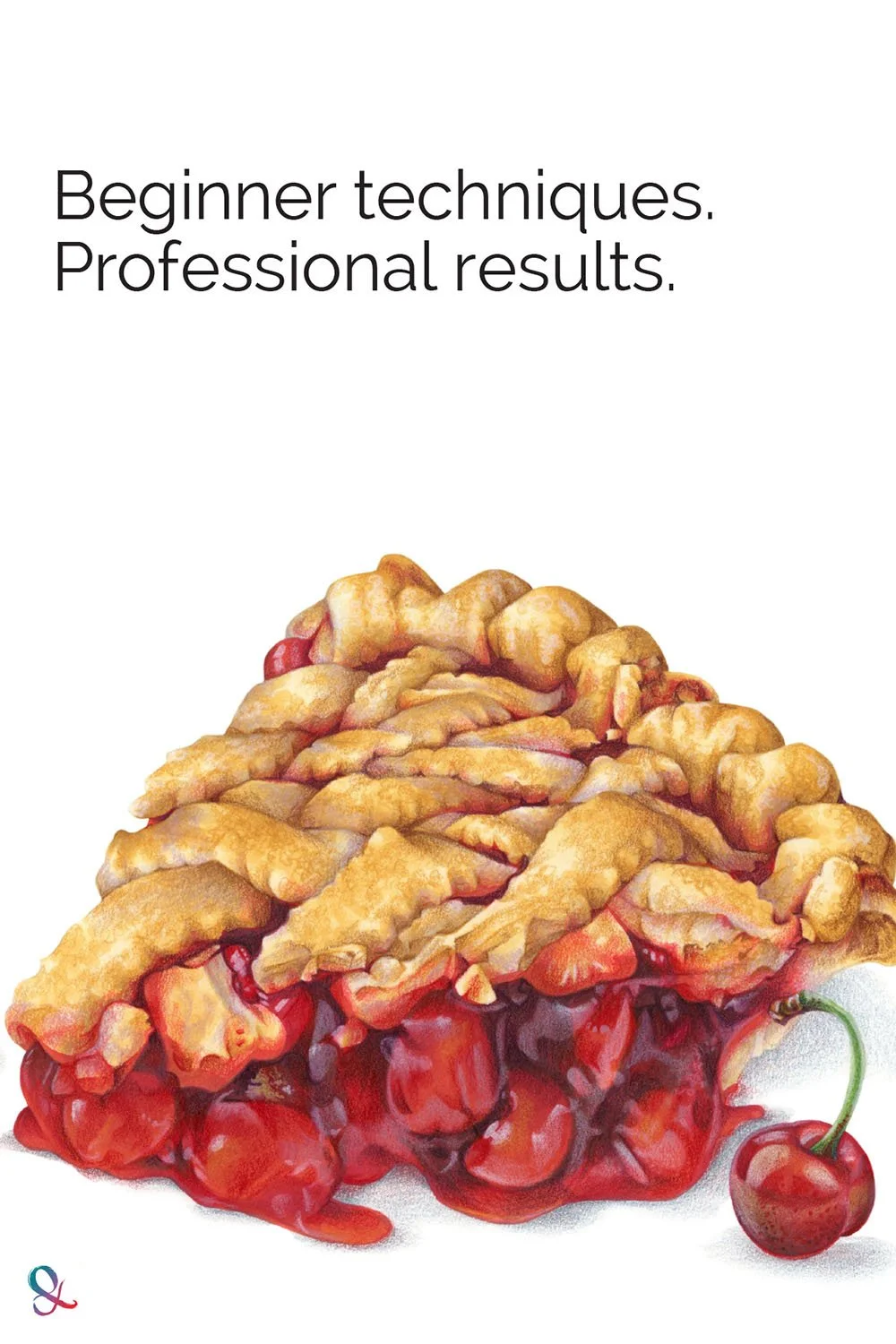
“I could never do that.”
It looks effortless. They move so fast and make no mistakes.
But here’s the weird part—
If you really watch what they’re doing…
Professional artists use the same coloring techniques you use every day.
Blending and layering.
There’s nothing magical there.
We’re all doing the same stuff.
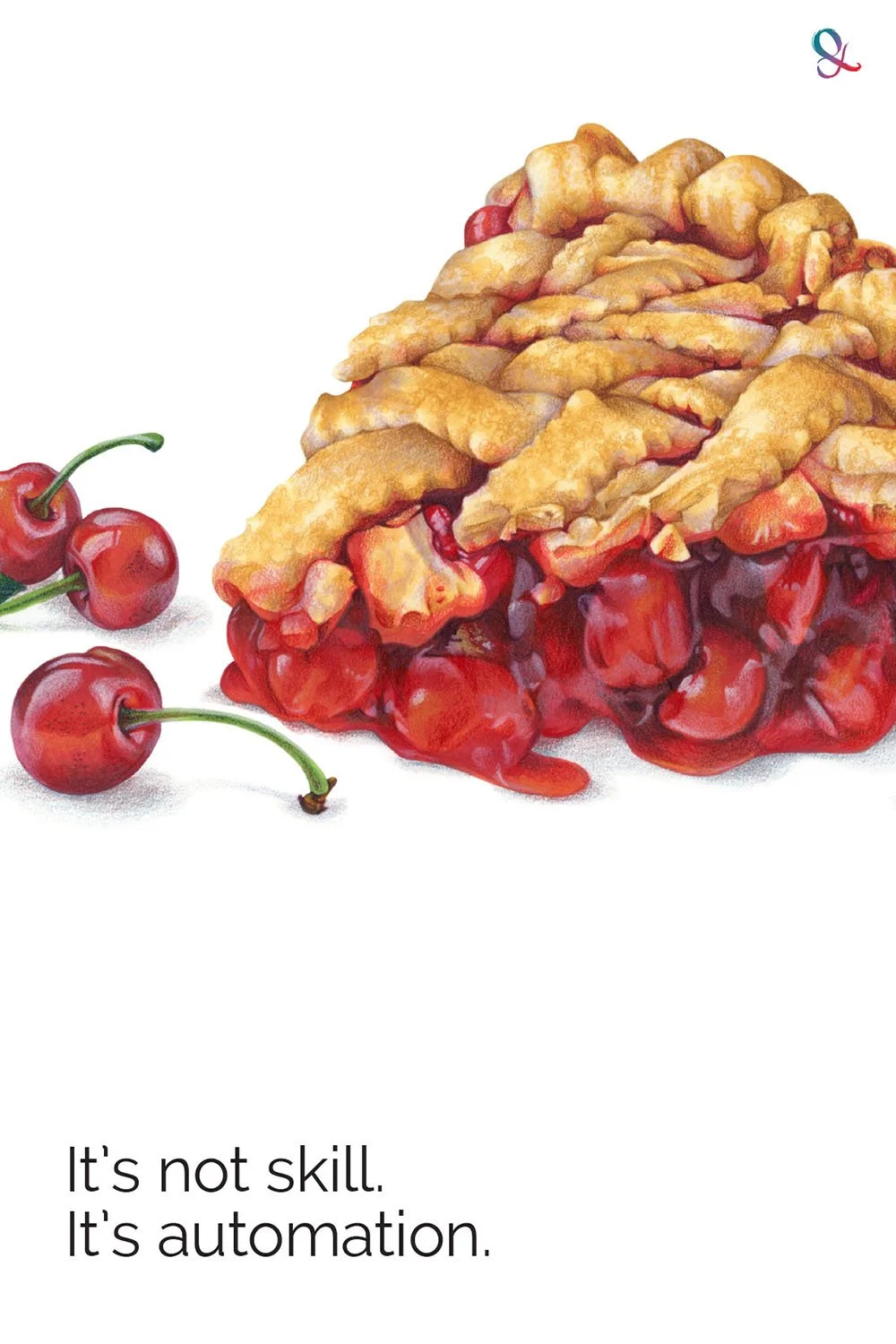
The difference is automation.
A professional baseball player isn’t standing at home plate wondering how to swing the bat. Hitting became automatic years ago. Instead, they’re thinking about driving the ball towards a weak outfielder and giving the base runners time to get home. The mechanics of batting have faded into the background, freeing their attention for higher-level decisions.
Art works the same way.

Realism requires mental bandwidth
If smooth blending takes your full concentration, you’ve got no brainspace left for:
color sculpting
texture
creative color choices
expressive strokes
Realism and artistry come from these decisions.
The techniques themselves aren’t difficult, it’s what professionals do with them.
And this is why advanced coloring can feel incredibly overwhelming.
You’re not just coloring.
You’re consciously coaching yourself through six beginner skills at the same time.
Frustration is an important signal
When a project feels hard, that’s not a personal failure.
It’s a sign.
Coloring is far more challenging when you haven’t automated basic skills yet.
And it’s important to be aware of this in your own coloring process
Learning happens in the sweet spot between comfort and overwhelm.
Too easy? There’s nothing to learn.
Too hard? You can’t learn.
A project should feel challenging but it should never feel devastating.
Colorists often fall in love with advanced projects before they’re ready for them.
And honestly? That’s normal.
We all have our dream projects and if someone’s offering insider information on how to do it, who wouldn’t jump at the chance to color it?
But advanced coloring asks you to fire on all cylinders. Balance a bunch of techniques, make a bunch of decisions, all at the same time.
If you’re still telling your hand what to do? It’s exhausting!
Not because you lack talent.
Because your attention is maxed-out.
Fundamentals are not “beginner stuff”
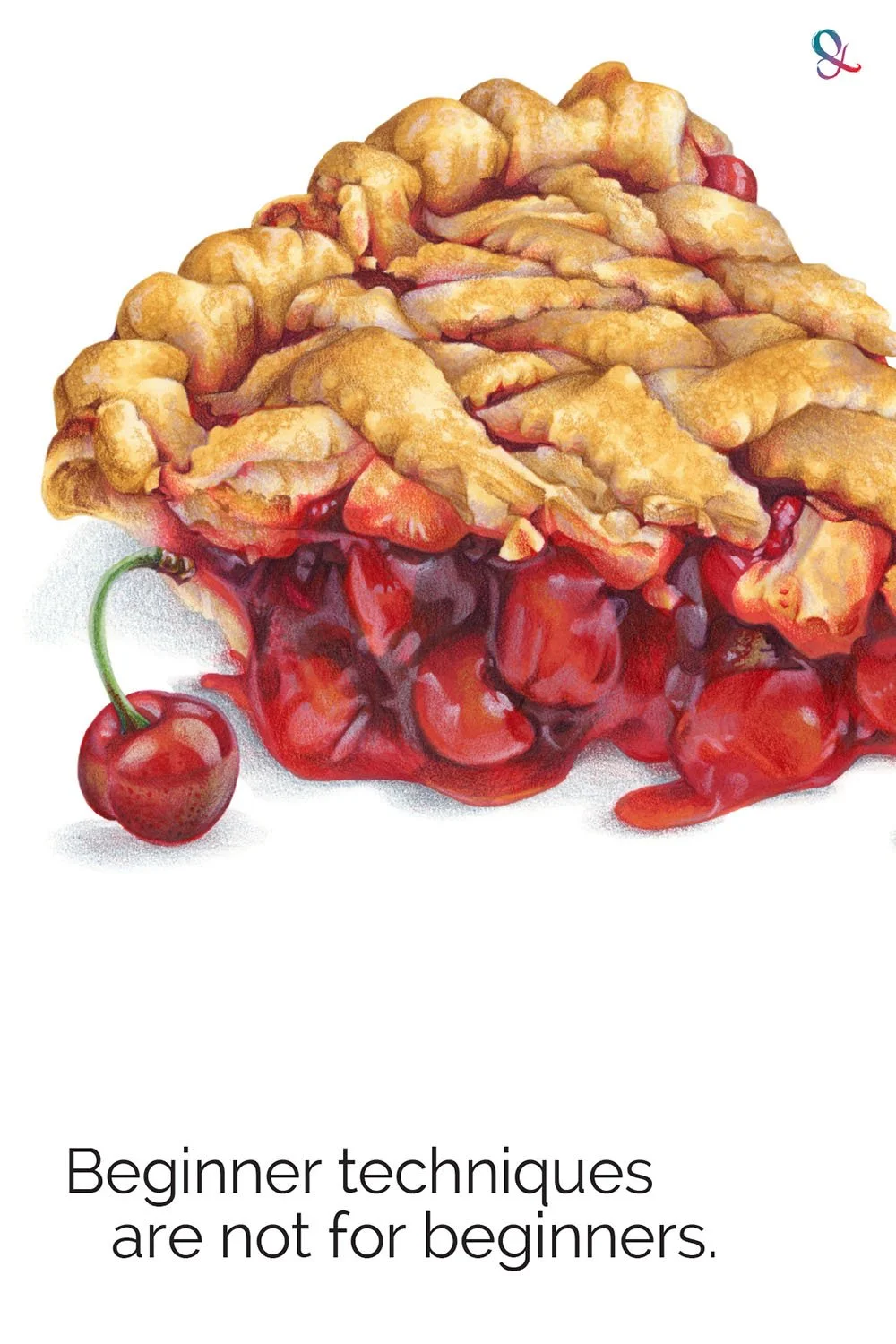
Professional artists rely on foundational skills every day.
The difference is repetition turns things like flick strokes, lambswooling, and gradient blending into reflexive and almost unconscious movements.
Professional artists can color in their sleep.
To be totally honest, the only time I ever think about blending is when someone asks me a question about blending.
Automation creates freedom.
Freedom to observe more carefully for realism.
Freedom to simplify for style.
Freedom to make artistic choices instead of merely surviving the project.
Advanced coloring is almost never about learning entirely new techniques.
Because really, there’s only so many things you can do with a marker or a pencil.
Advanced coloring happens naturally, in fact it almost sneaks up on you…
But automation doesn’t happen overnight.
And strangely enough, it doesn’t automatically happen after years of coloring either. Time spent coloring is not the same thing as practice.
Artists grow faster when they understand the difference.
Converting beginner skills to instinct makes room for deeper artistic thinking.
Today’s article is permission to be a beginner…
Instructors don’t say this enough.
And in the rush to move onto bigger and better projects, colorists don’t linger and enjoy the early stages of learning.
It’s okay to not-know things.
It’s normal to not be able to keep up with the big kids.
If a project feels impossibly difficult, don’t immediately assume you lack talent.
You simply need more repetitions before the fundamentals stop demanding your full attention.
That’s not failure.
That’s how we learn.
Ready to Go Deeper?
Realistic coloring gets easier when you stop chasing recipes and start understanding artistic decisions.
If this article sparked a new way of seeing, here are a few places to continue exploring:
Learn Artistic Realism
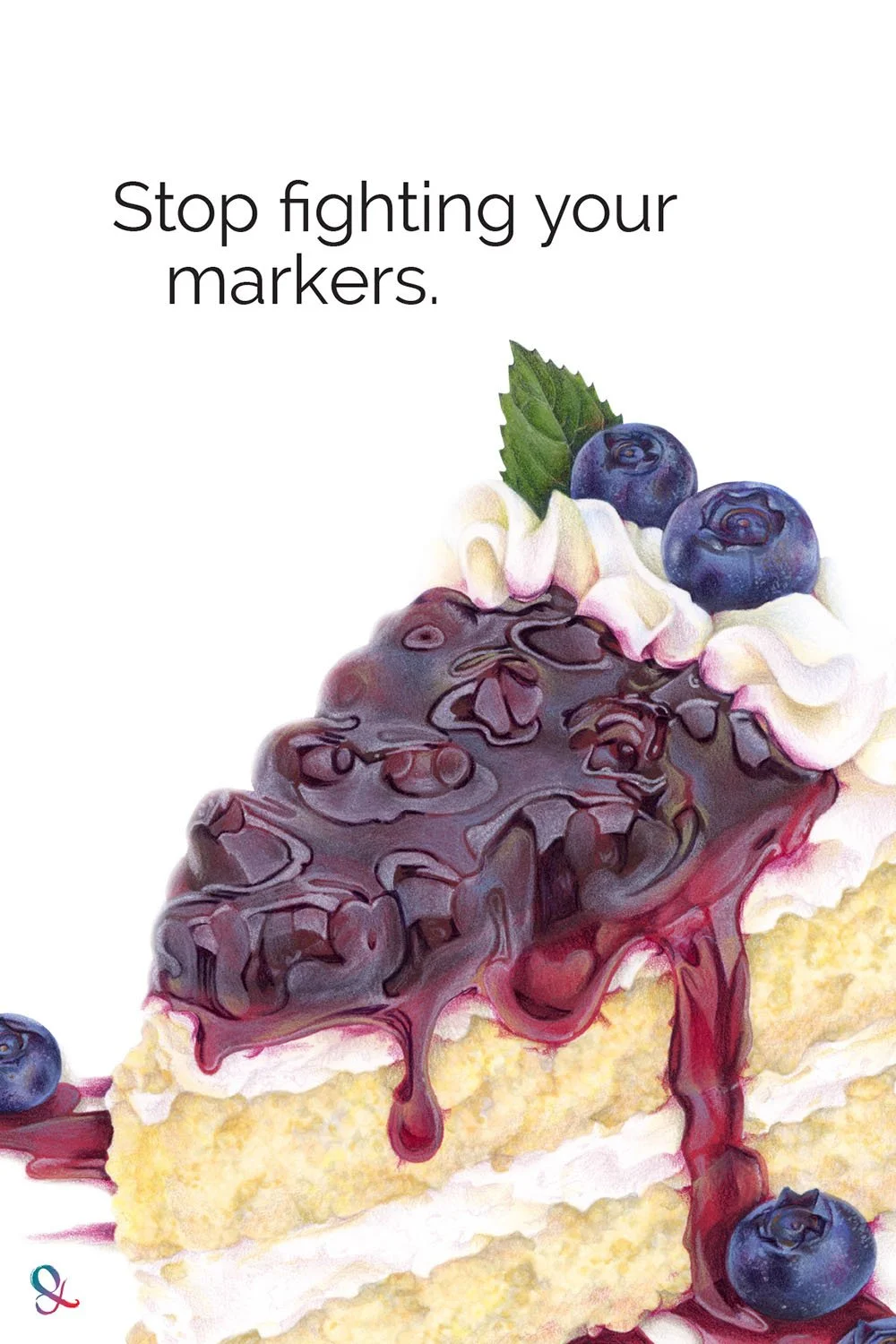
Guided Workshops
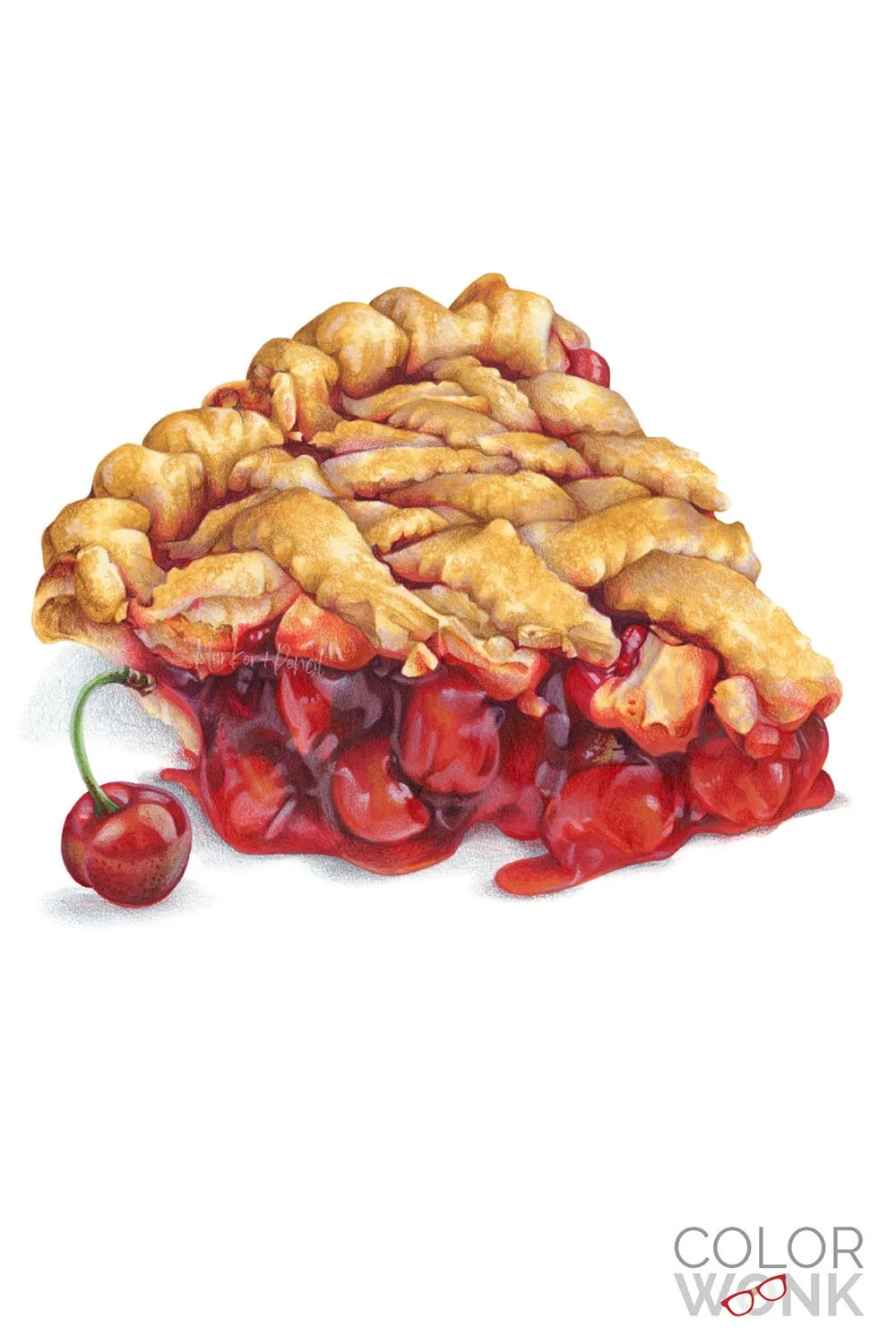
Build Basic Skills
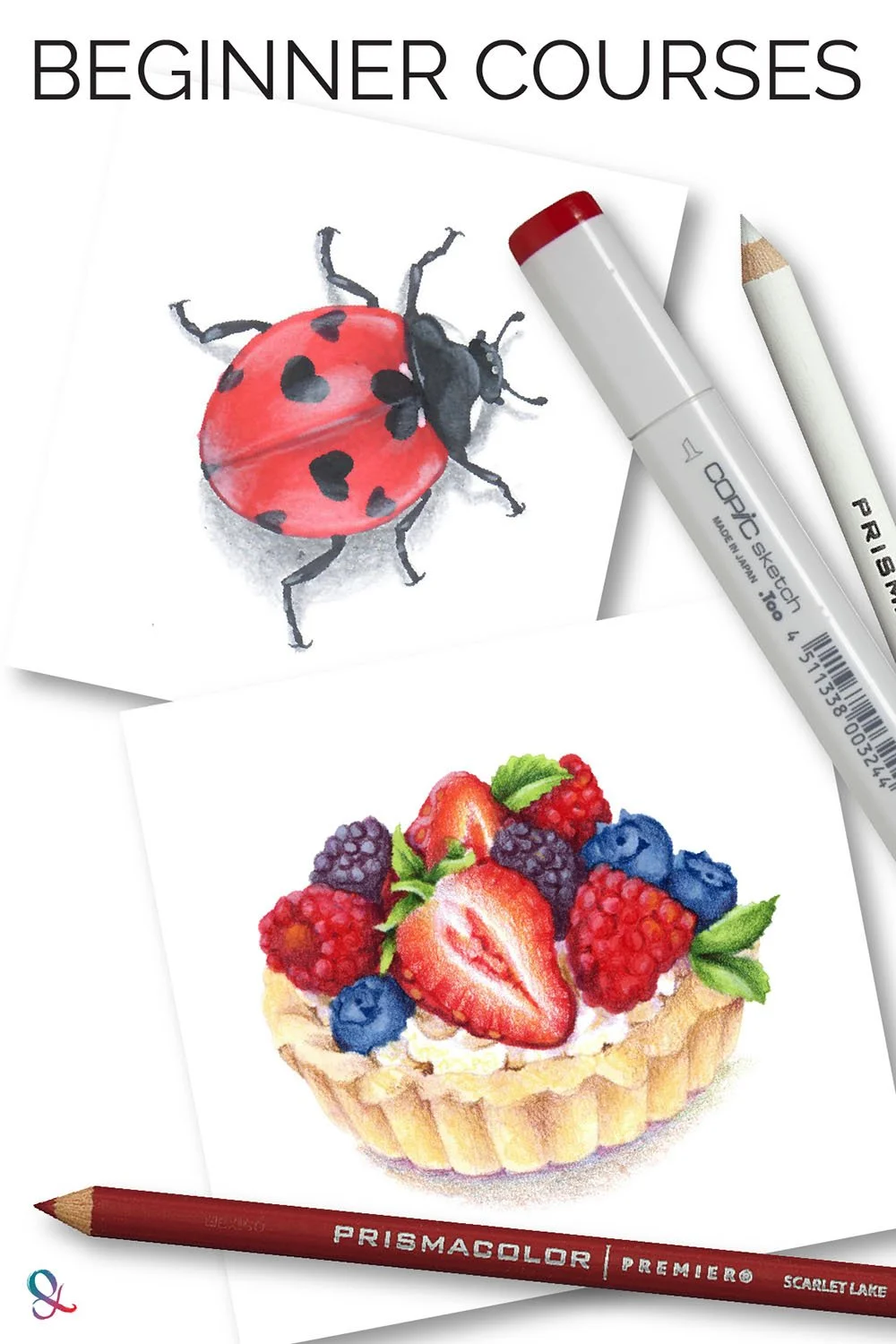
RELATED ARTICLES: